
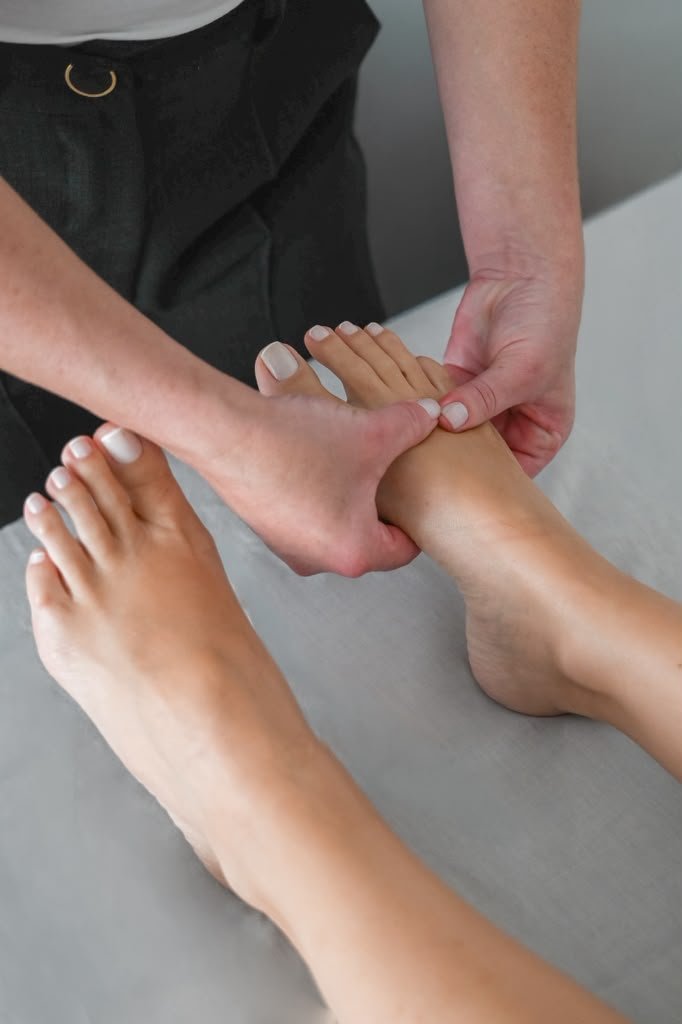
For many years, lymphatic drainage has been widely associated with the beauty industry. With the growing popularity of Brazilian lymphatic drainage and body sculpting techniques, many people have come to believe that lymphatic drainage is mainly about losing weight, reducing belly size, or changing the appearance of the body.
But Manual Lymphatic Drainage (MLD) has a much deeper purpose.
What is Manual Lymphatic Drainage?
MLD was originally developed as a therapeutic technique, not a weight loss treatment. It uses gentle, slow, rhythmic movements to support the lymphatic system, which plays an essential role in maintaining fluid balance and supporting immune function.
And its benefits deserve to be understood beyond appearance.
What does the research say?
Research has explored how Manual Lymphatic Drainage may influence the body’s responses to physical stimulation and nervous system activity. A 2021 study found changes in a neuromuscular reflex following lymphatic drainage, suggesting a possible connection between this gentle form of touch and the way the nervous system responds. Although the study did not demonstrate a direct shift into a parasympathetic state, it opens the door to understanding therapeutic touch beyond its mechanical effects.
Another study, published in 2015, examined the effects of Manual Lymphatic Drainage in people with chronic venous insufficiency. Researchers observed improvements in symptoms such as leg heaviness, fatigue, and aspects of quality of life related to pain.
These findings are important because they remind us that the value of a therapy is not always something we can see in the mirror.
Sometimes, it is about feeling less discomfort, experiencing relief from physical symptoms, or simply feeling more comfortable in our own bodies.
How I think about MLD
In my practice, I want to help change the way people understand Manual Lymphatic Drainage. It is not a treatment designed to burn fat or produce weight loss, and its effectiveness should not be measured by how much smaller someone’s waist appears after a session.
I believe therapeutic touch has an important place in overall wellness and can be part of a supportive healing process.
Our bodies are constantly adapting to physical and emotional demands. Creating opportunities for relaxation, comfort, and supportive care can be an important part of looking after ourselves.
A supportive part of your care
MLD does not cure underlying medical conditions, and it is not a replacement for medical care. But when appropriately used, it can be one part of a broader approach to managing symptoms and supporting well-being.
Healing is not always about one treatment or one solution. Sometimes, it is about bringing together different approaches that help us feel, move, and function better.
Manual Lymphatic Drainage deserves to be recognized not only for how it may affect the appearance of the body, but for its therapeutic applications and the comfort it may provide.
Scientific References
- Effects of lymphatic drainage therapy on autonomic nervous system responses in healthy subjects (2021).
- Influence of Manual Lymphatic Drainage on Health-Related Quality of Life and Symptoms of Chronic Venous Insufficiency (2015).
Take a moment for yourself.
Book Your SessionThis article is for general information only. Massage therapy supports comfort and well-being and does not replace medical care. Talk with your healthcare provider about any medical concern.